Where Rust & Corrosion Are Most Likely To Develop On Your Roof In Geelong
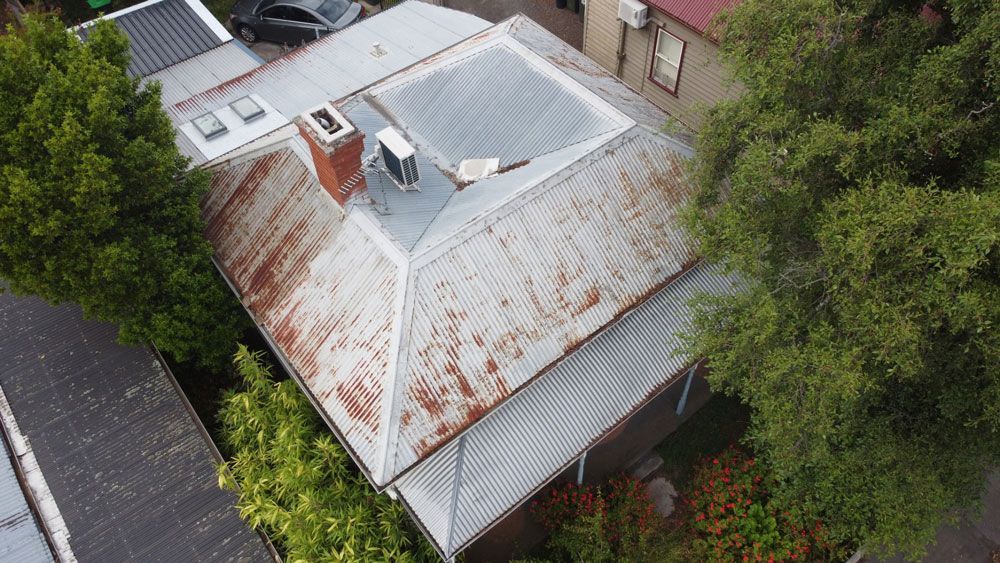
Rust and corrosion are among the earliest warning signs that a metal roof may be starting to deteriorate. While small areas of surface rust can appear minor initially, corrosion often spreads gradually beneath coatings and around fixings before more obvious damage becomes visible. Left untreated, these issues can eventually contribute to leaks, structural weakening and more extensive roof deterioration over time.
Properties across Geelong are particularly exposed to environmental conditions that accelerate roof corrosion, especially in coastal and high-moisture areas. Salt-laden air, strong weather exposure and fluctuating temperatures all place additional stress on metal roofing materials throughout the year. Homeowners considering roof repairs in Geelong often first notice rust forming around screws, flashings or roof joins before larger problems begin developing.
Roof Screws Are One of the Most Common Rust Points
Roof screws and fasteners are among the first areas where corrosion tends to appear on metal roofing systems. Because screws penetrate the roofing surface directly, they remain constantly exposed to moisture, temperature changes and environmental wear.
Corrosion around roof screws commonly occurs due to:
- Worn or deteriorated protective washers.
- Moisture collecting around exposed fasteners.
- Ageing coatings breaking down over time.
Once corrosion begins around screws, water can gradually enter surrounding areas and affect nearby roofing sheets. Early identification helps reduce the likelihood of leaks and further structural deterioration.
Flashings Frequently Show Early Signs of Corrosion
Roof flashings help seal vulnerable areas where roofing surfaces meet walls, chimneys, skylights or other roof structures. These areas experience constant exposure to water runoff and changing weather conditions.
Flashings are more vulnerable to corrosion because they:
- Direct water away from roof penetrations.
- Experience regular expansion and contraction.
- Often contain multiple joins and exposed edges.
As flashings age, protective coatings may begin wearing down, particularly in areas exposed to heavy rainfall or coastal conditions. Rust around flashings can eventually allow water to penetrate beneath the roofing system if left unresolved.
Roof Joins & Overlaps Trap Moisture
Roof joins and sheet overlaps create natural collection points where moisture, debris and contaminants can accumulate over time. These areas are often slower to dry after rain or condensation exposure.
Corrosion commonly develops at joins due to factors such as:
- Moisture trapped between overlapping sheets.
- Dirt or debris retaining water against the metal.
- Reduced airflow in tightly sealed areas.
Even small areas of corrosion around joins can spread gradually beneath surrounding surfaces if maintenance is delayed. Regular roof inspections help identify these hidden problem areas before more significant deterioration occurs.
Coastal Exposure Accelerates Roof Corrosion
Properties located near coastal areas around Geelong face additional exposure to airborne salt, which can significantly accelerate corrosion on metal roofing materials.
Coastal conditions commonly contribute to:
- Faster breakdown of protective roof coatings.
- Increased surface oxidation on exposed metal.
- Greater moisture retention during humid conditions.
Salt exposure can affect roofs even several kilometres from the coastline, particularly during periods of strong coastal winds. Geelong roof repair specialists can inspect coastal roofing systems for early signs of corrosion before more extensive damage develops.
Blocked Gutters Can Contribute to Rust Formation
While gutters are separate from the roof surface itself, blocked drainage systems can increase the risk of corrosion around roof edges and adjoining areas.
Blocked gutters may lead to:
- Water overflowing onto roof sections repeatedly.
- Moisture remaining trapped for longer periods.
- Debris buildup accelerating surface deterioration.
Overflowing water near roof edges can gradually weaken protective coatings and create ideal conditions for rust development over time.
Scratches & Surface Damage Leave Metal Exposed
Metal roofing relies heavily on protective coatings in order to resist environmental exposure. When these coatings become scratched or damaged, the exposed metal beneath becomes far more vulnerable to corrosion.
Surface damage commonly results from:
- Falling branches or debris impact.
- Foot traffic during maintenance work.
- Age-related coating deterioration.
Even relatively small scratches can allow corrosion to begin spreading if moisture regularly reaches exposed metal surfaces. Addressing minor damage early may help prevent larger
roof repairs Geelong property owners may not have anticipated.
Poor Ventilation Can Increase Moisture Exposure
Ventilation plays an important role in reducing condensation and moisture buildup beneath roofing systems. Poor airflow can create damp conditions that contribute to ongoing corrosion over time.
Inadequate ventilation may cause:
- Increased condensation beneath roofing sheets.
- Moisture retention during cooler conditions.
- Accelerated corrosion around internal roof structures.
Properties with enclosed roof cavities or limited airflow may experience greater moisture-related wear compared to roofs with effective ventilation systems.
Rust Around Roof Penetrations Often Spreads Quickly
Areas surrounding vents, skylights and other roof penetrations are exposed to constant movement and weather exposure, making them more susceptible to rust development.
Roof penetrations are vulnerable because they involve:
- Additional joins and sealing materials.
- Increased exposure to water runoff.
- Ongoing expansion and contraction movement.
Corrosion near penetrations can eventually compromise surrounding seals and increase the likelihood of water entry during heavy rainfall.
Early Rust Detection Helps Prevent Larger Repairs
One of the biggest challenges with roof corrosion is that damage often spreads gradually before becoming highly visible from ground level. Surface rust may appear localised initially while hidden corrosion continues developing underneath.
Early roof inspections may help identify the following issues:
- Surface corrosion before structural damage occurs.
- Loose fasteners or deteriorating flashings.
- Areas vulnerable to future rust development.
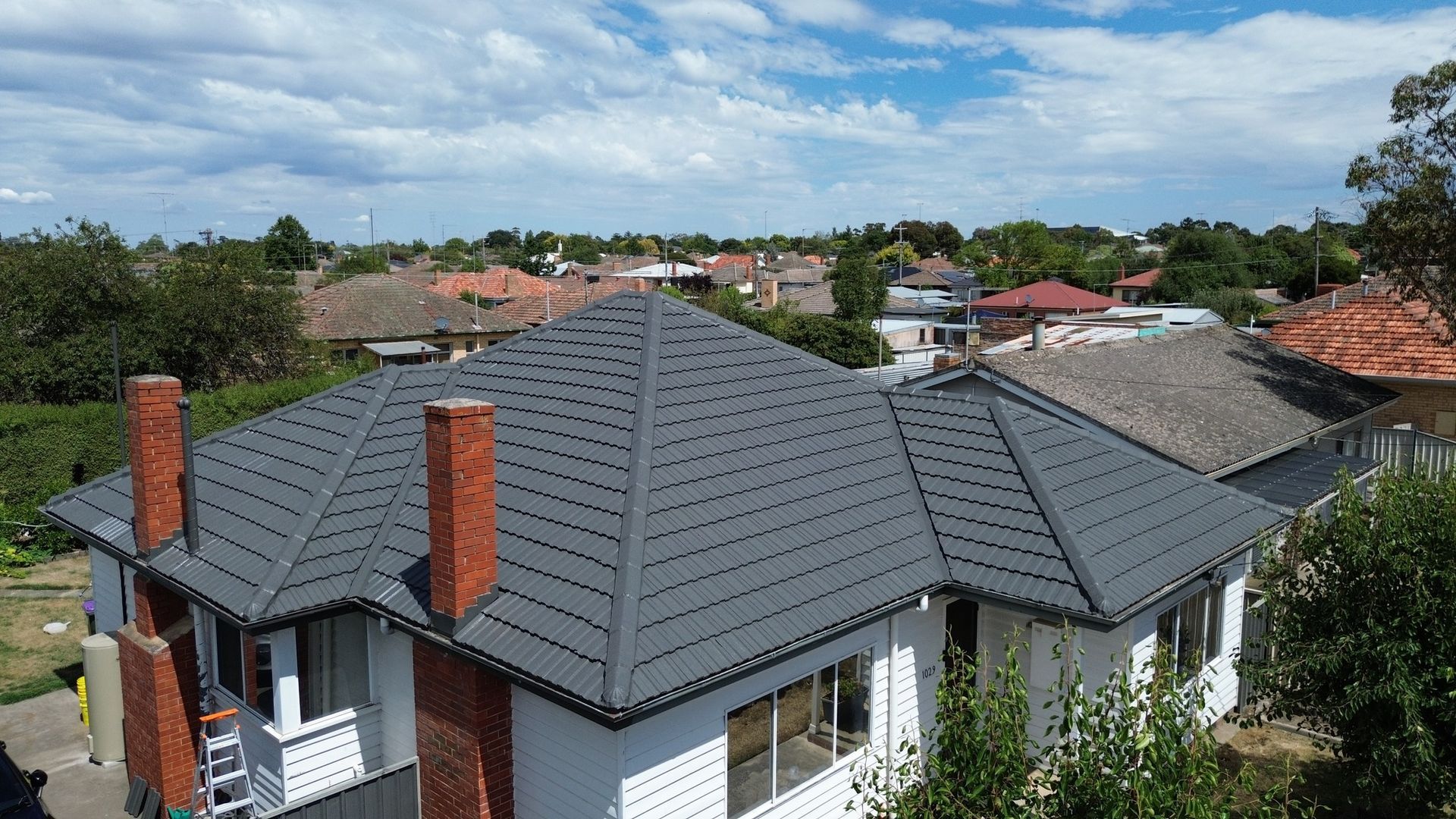
Addressing corrosion early generally allows for more manageable repair work while helping reduce the risk of larger roofing problems developing down the track.
Protecting Metal Roofs from Long-Term Corrosion
Rust and corrosion are often early indicators that a metal roof is beginning to deteriorate under ongoing environmental exposure. Areas such as screws, flashings, joins and roof penetrations are particularly vulnerable, especially in coastal regions where salt exposure and moisture accelerate wear over time.
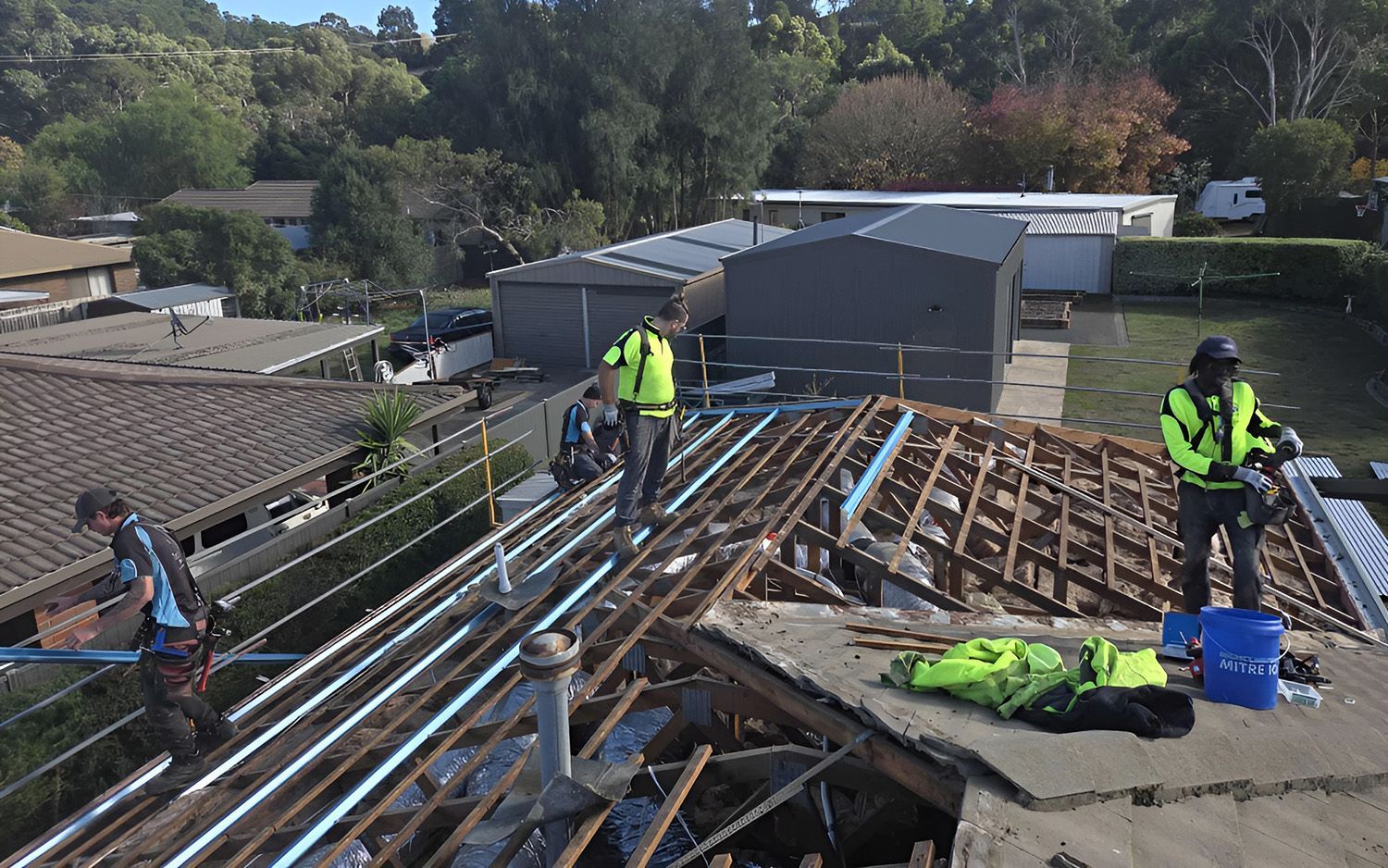
iFix Roofing provides roof repairs in Geelong for homeowners dealing with corrosion, leaks and ageing metal roofing systems. If you have noticed signs of corrosion or roof deterioration around your property, get in touch with the experienced team at iFix Roofing to arrange an inspection and discuss suitable repair solutions.