
Roof Repairs
Find and repair the cause of roof leaks, storm damage and worn components before local defects spread through adjoining roof systems.
Roof Repairs Geelong
Roof repairs cover a wide range of faults across tile and metal roofs, from damaged sheets or tiles to failed flashings, fixings, ridge details and drainage components. The useful starting point is not the size of the ceiling stain but the condition and water path above it.
iFix Roofing Geelong investigates what changed, where water or wind may be entering and how nearby components are performing. The resulting scope may be a targeted repair, replacement of a worn detail or advice that broader deterioration makes piecemeal work a poor long-term decision.
20+ Years
Industry Experience
Fully Licensed
Roofing Team
Insured
Local Professionals
Trusted
Geelong Roofers
Small Roof Defects Can Have a Long Reach
Ceiling stains, damp smells, bubbling paint, cracked or displaced roof material, rust, loose edges and new noise in wind all deserve attention. After hail, strong wind or falling branches, damage can be localised even when most of the roof still looks intact from the ground.
Water may travel beneath sheets or tiles and along framing before appearing indoors. Wet insulation, swollen plaster, mould marks and timber deterioration can follow if entry continues. Loose components can also place adjoining material under extra movement, turning a confined fault into a larger repair.
Inspection determines whether the defect is isolated and the surrounding roof has useful life left. Repeated patches, broad corrosion, many cracked sections or failing junctions may change the calculation. The owner should understand both the immediate repair and any nearby wear that is not included.
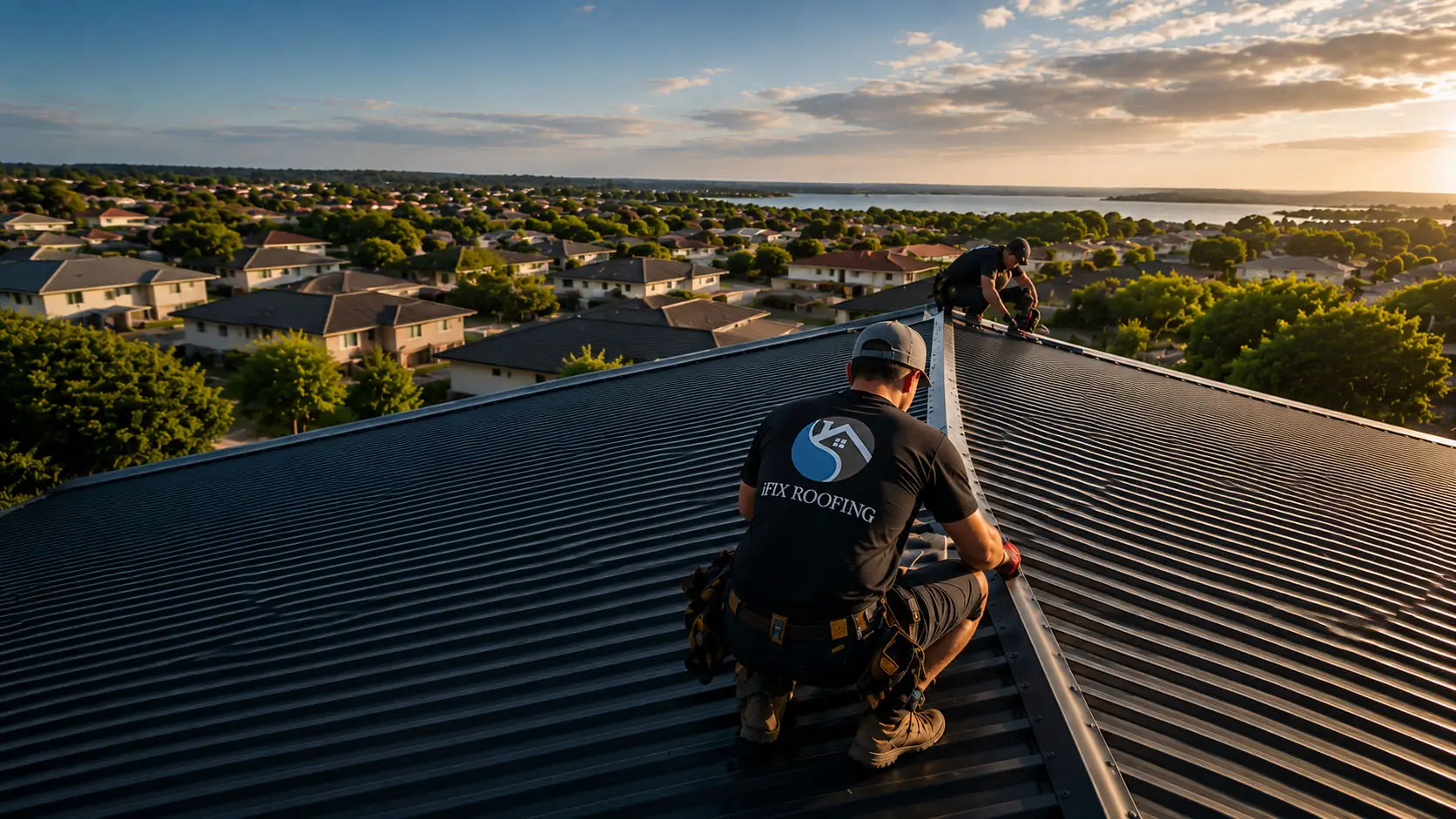
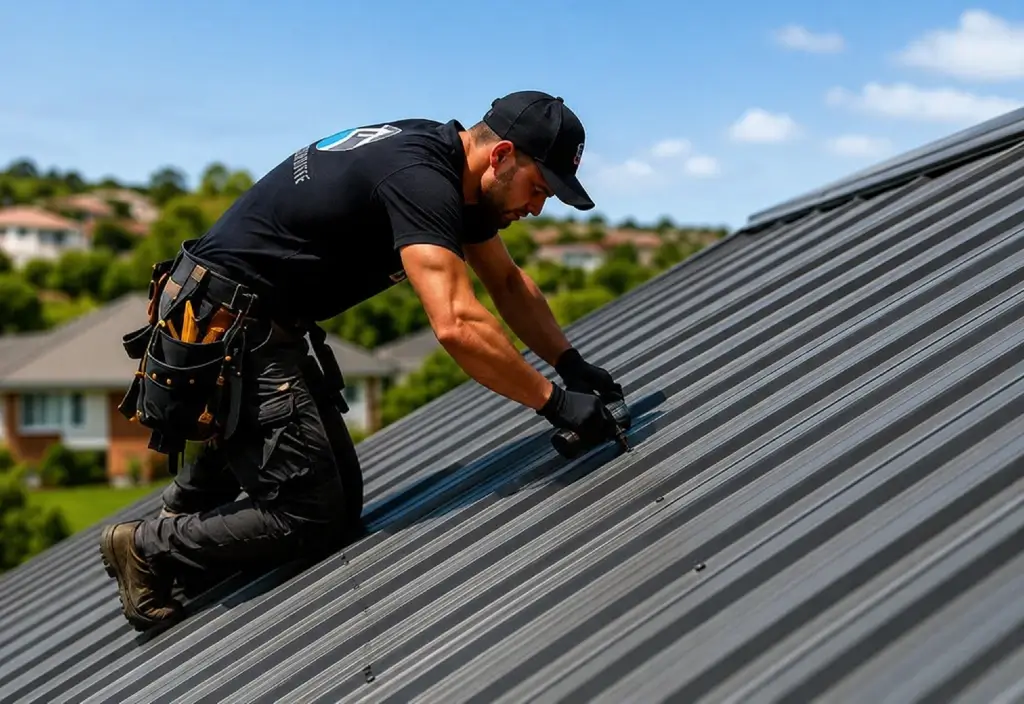
Roof Repairs for Geelong Weather and Housing
Sudden cold fronts, winter downpours, bay winds and hot dry periods expose different weaknesses. Wind-driven rain may enter only from one direction, while thermal movement can work on old fixings and sealants. Coastal salt exposure can also affect metal edges and fasteners on suitable properties.
Geelong includes tiled and metal roofs, older homes, low-pitched additions, verandahs, chimneys, skylights and extensions built in stages. Water can cross these transitions in unexpected ways. A repair should respond to the actual roof material, pitch, exposure and adjoining work rather than reuse one generic patch.
Why Choose iFix Roofing Geelong
iFix brings more than 20 years of roofing industry experience across repairs, metal roofing and roof plumbing. That system knowledge helps connect internal evidence with valleys, flashings, gutters, fixings and roof-covering defects, reducing the chance of treating only the visible symptom.
The South Geelong team is fully licensed and insured and may provide free inspections and quotes across surrounding areas. Repair choices, compatible materials and any replacement alternative are explained before work, with additional concealed damage discussed rather than silently added to the scope.
20+ Years of Roofing Experience
Fully Licensed and Insured Team
Tile and metal roof assessment
Leak path and nearby details checked
Storm and wear damage considered
Compatible repair materials
Repair boundaries clearly explained
Replacement alternatives discussed honestly
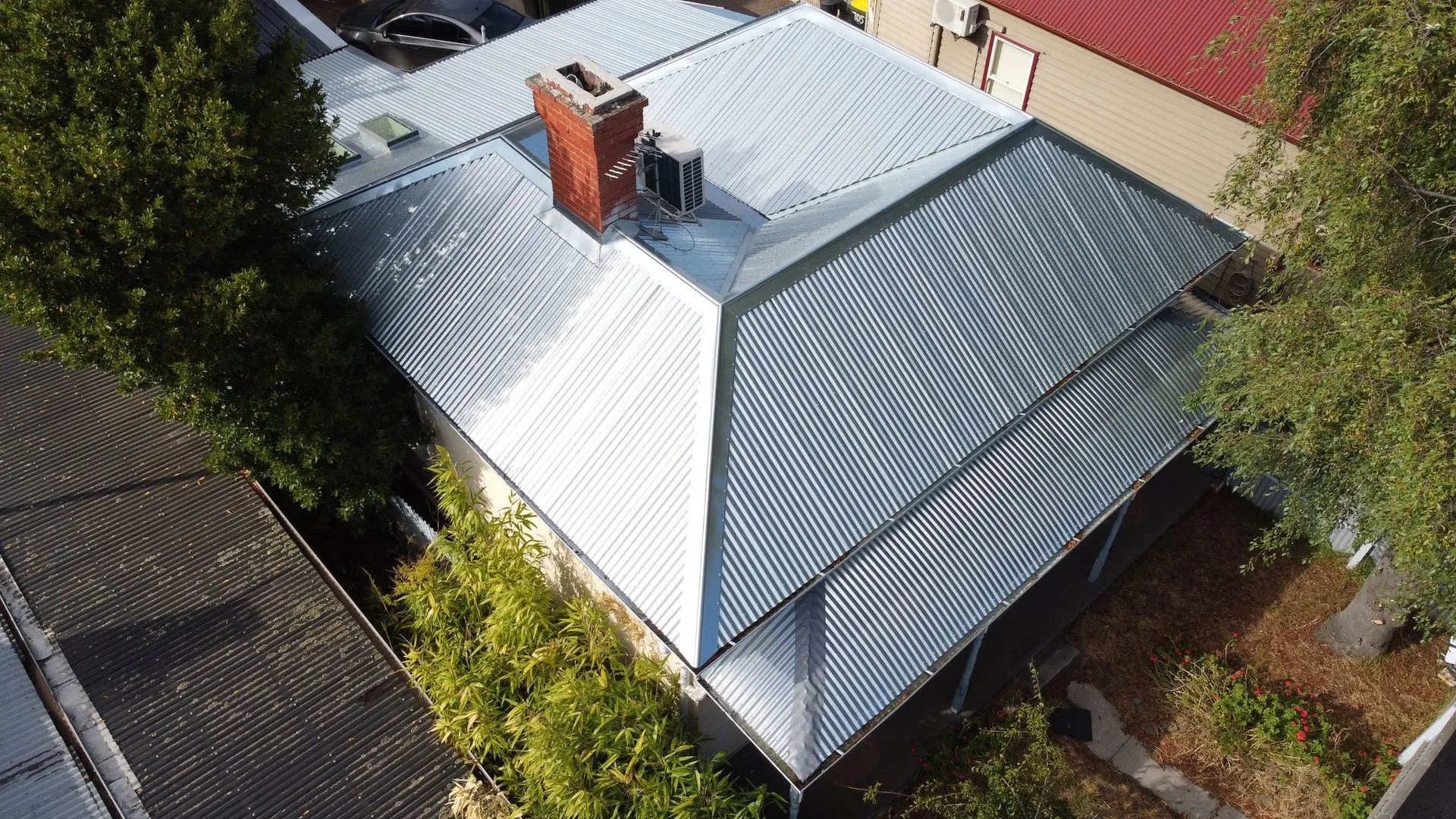
From First Clue to Focused Roof Repair
Build the Evidence Before Opening the Roof
Record when the symptom appears, including rain direction, duration and whether it follows wind. Marking the edge of a ceiling stain and taking photos can show progression. This information helps because leaks that occur only under specific weather may be dry during inspection.
Safe external assessment checks likely entry points and the area around them. Valleys, penetrations, ridge details, sheet or tile condition, fasteners and drainage are considered together. The defect can sit metres from the indoor mark, so a narrow visual assumption is avoided.
Repair, Restore a Component or Replace
A targeted repair suits an isolated damaged tile, sheet section, fixing group, flashing or sealed junction when adjacent material remains useful. Work may include replacement sheets or tiles where needed, flashings, screws, sealants or ridge materials selected for the actual roof.
Broader replacement deserves discussion when damage repeats across the roof, earlier patches continue failing or the surrounding material cannot support another repair. This does not mean every leak requires a new roof; it means the decision should reflect remaining condition and likely repeat work.
Complete the Work as a Roof System
The process moves from diagnosis to an agreed scope, compatible materials and careful installation. Correct laps, fixings, support and water direction are important because a neat seal alone may not resist movement or wind-driven rain. Nearby drainage is kept clear.
Where practical, the repaired area and relevant connections are checked after completion. The team explains what was addressed and what remained outside the scope. Photographs can help document roof areas that are not visible from the ground. If hidden deterioration beneath sheets, around fascia or behind flashing appears, the owner decides how to proceed.
Prepare Safely and Limit Disruption
Clear access for inspection and material handling, move vehicles where requested and identify pets, gates, fragile landscaping and indoor stains. Do not climb onto a wet, storm-damaged or visibly unstable roof to take photographs; observations from a safe position are sufficient.
Repair timing depends on weather, access, materials and the extent found. Safety may prevent work during high winds, lightning or heavy rain. iFix avoids promising exact attendance or completion times and instead explains the likely sequence once the roof has been assessed.
Get the Cause Assessed Before It Spreads
Request an inspection for ceiling marks, displaced materials, rust, storm impact or a repair that has failed again. A clear quote will identify the proposed work and its boundaries.
Talk to a Local Roof Repairer
Call 0448 889 294 to describe the symptom and weather conditions to a Geelong roofer. Photos and a short history can help frame the inspection.
Roof Repairs Geelong FAQs
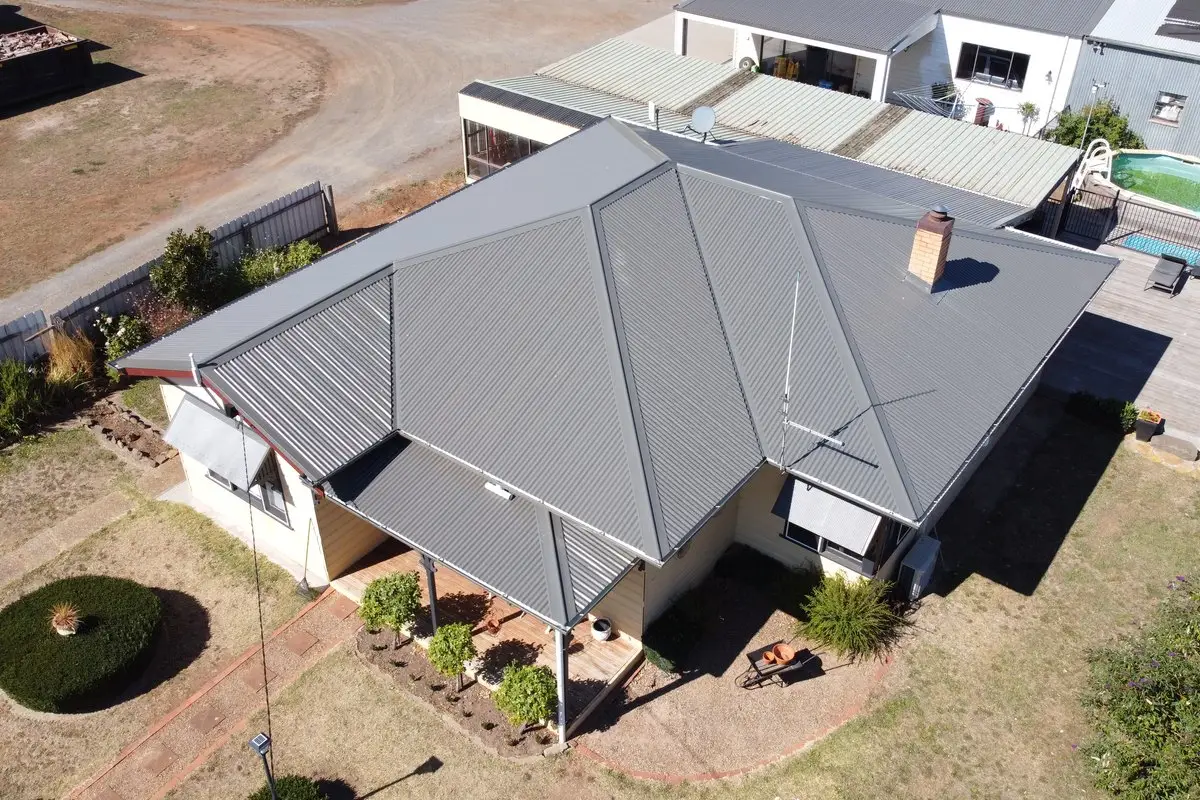
How can I tell where a roof leak starts?
The indoor mark rarely proves the entry point because water can follow battens, framing or insulation. Note the rain direction and timing, then arrange a safe inspection of the surrounding roof, flashings, penetrations and drainage. Avoid walking on a wet or damaged roof yourself.
Can both tile and metal roofs be repaired?
Yes, depending on condition. Typical materials may include replacement sheets, tiles where needed, flashings, screws, sealants and ridge materials. The method must suit the existing roof and the remaining surrounding material, so inspection precedes a firm scope.
Is a repair enough after storm damage?
It can be when impact or displacement is localised and adjacent components remain sound. Strong weather may also reveal pre-existing wear across a larger area. An assessment separates direct damage from broader deterioration and explains whether targeted work is a sensible option.
What if hidden damage is found during repairs?
Roofing work can expose deterioration beneath sheets, around fascia or behind flashings. iFix explains the finding and its effect before changing the agreed scope. This gives you a choice rather than treating every concealed issue as automatically authorised additional work.
When should roof replacement be considered?
Replacement may warrant comparison when leaks recur across different areas, corrosion or cracking is widespread, many details are failing or sound repair boundaries cannot be created. An isolated defect on an otherwise serviceable roof generally supports a repair-first discussion.