
Roof Replacements
Replace a roof that has reached the end of practical repair with a carefully planned, integrated roofing system for your home.
Roof Replacements Geelong
A whole-roof replacement is a major property decision, usually considered after recurring leaks, widespread deterioration or years of repairs have made patching less dependable. iFix Roofing Geelong assesses the complete roof rather than only the latest stain. The covering, ridges, valleys, flashings, gutters, fascia, penetrations and insulation all influence how well the renewed roof manages weather.
The right scope depends on the existing roof, its pitch and junctions, concealed condition, access and your plans for the property. Renewal may retain the same roof type or form part of a planned system change. We inspect, explain the findings and prepare an option that addresses failure without adding unnecessary work.
20+ Years
Industry Experience
Fully Licensed
Roofing Team
Insured
Local Professionals
Trusted
Geelong Roofers
When the Entire Roof Needs a New Plan
Signs that justify a whole-roof assessment include leaks in different rooms, widespread rust or breakage, loose edges, sagging lines, failed ridges and patches that do not last through wind-driven rain. Damp smells, bubbling paint and cornice marks can indicate water has travelled from a distant entry point. Overflow at valleys or gutters may expose a broader drainage problem.
Widespread deterioration can affect more than the covering. Water may wet insulation, stain plaster and expose timber around battens, fascia or junctions to moisture. A roof altered through extensions can contain mismatched details that shift water towards vulnerable areas. Replacing only the obvious section may not correct connected weaknesses.
An inspection separates an isolated defect from an end-of-life system. We consider fault distribution, previous repairs, roof geometry, drainage and components connecting to new work. If a targeted repair remains sensible, we will say so. If renewal is more coherent, the quote can define what is removed, retained and integrated.
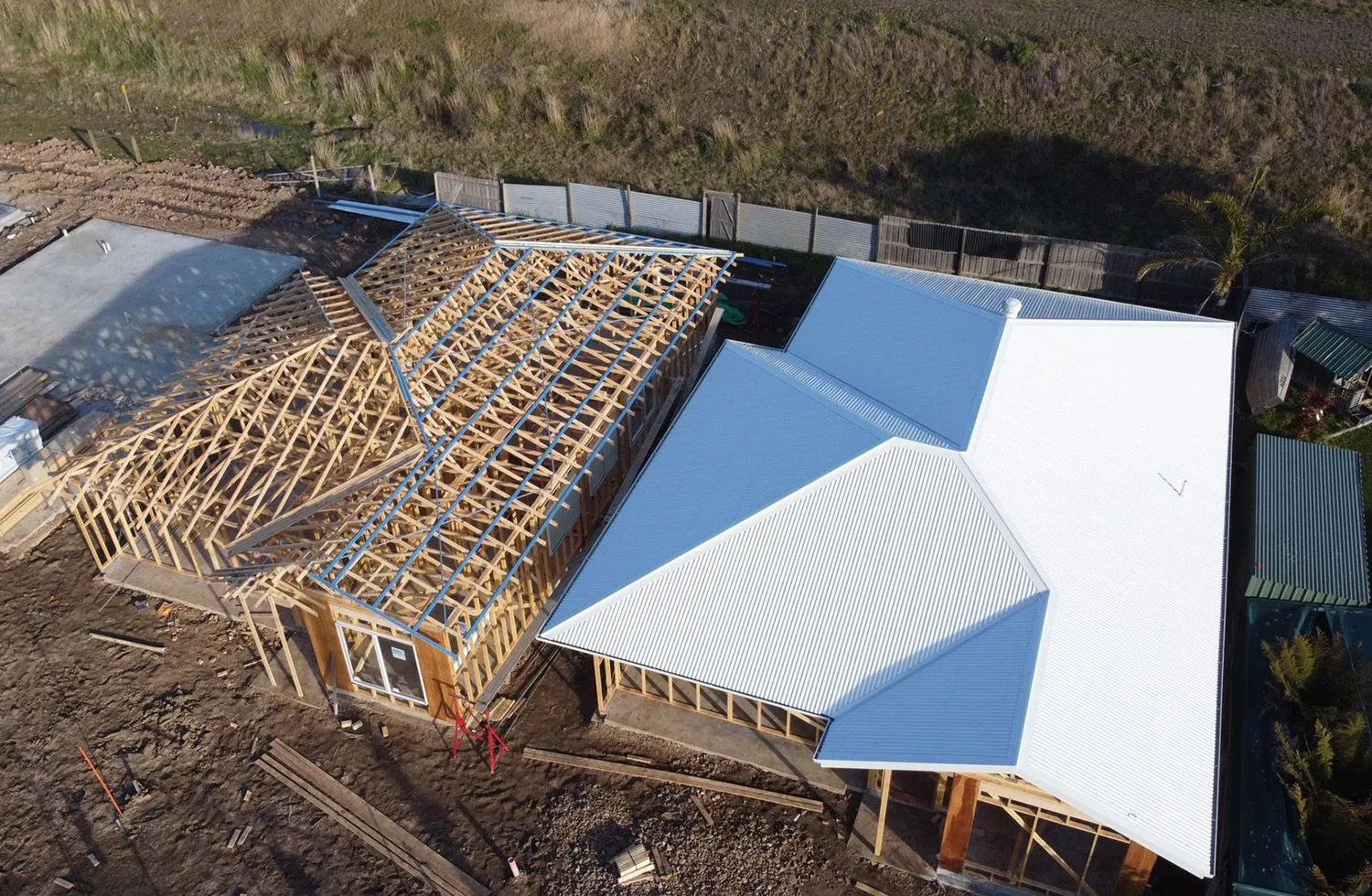
Planning a Roof Replacement for Geelong Conditions
Geelong roofs can face bay winds, hot dry periods, sudden cold fronts and heavy winter rain. Properties nearer the coast may also have greater salt exposure. These conditions make secure edges, appropriate fixings, sound laps and unimpeded water paths important. Roof pitch and exposure influence how wind-driven rain reaches ridges, flashings, valleys and junctions that can appear sound from the ground.
Local housing includes tiled roofs, low-pitched metal roofs and homes altered with verandahs, extensions, chimneys, skylights or box gutters. Each change can affect drainage and the replacement sequence. We assess the actual property rather than assuming a standard layout, including safe access for removal, deliveries and waste handling. iFix Roofing is based in South Geelong and services Geelong and surrounding areas.
Why Choose iFix Roofing Geelong
With more than 20 years of roofing industry experience, the fully licensed and insured iFix team examines replacement as one connected system. That matters where covering meets plumbing, additions and drainage. It helps distinguish a cosmetic concern from a fault likely to remain after an incomplete scope.
We explain why renewal is considered, what is included, what may remain serviceable and how concealed conditions could affect work after lifting the old covering. Choices are made for the particular roof, not presented as universal recommendations. Free inspections and quotes may be available.
20+ Years of Roofing Experience
Fully Licensed and Insured Team
Whole-Roof Condition Assessment
Clear Repair-versus-Replacement Advice
Integrated Flashing and Drainage Review
Options Suited to the Existing Roof
Planned Removal and Site Preparation
Local Geelong Roofing Knowledge
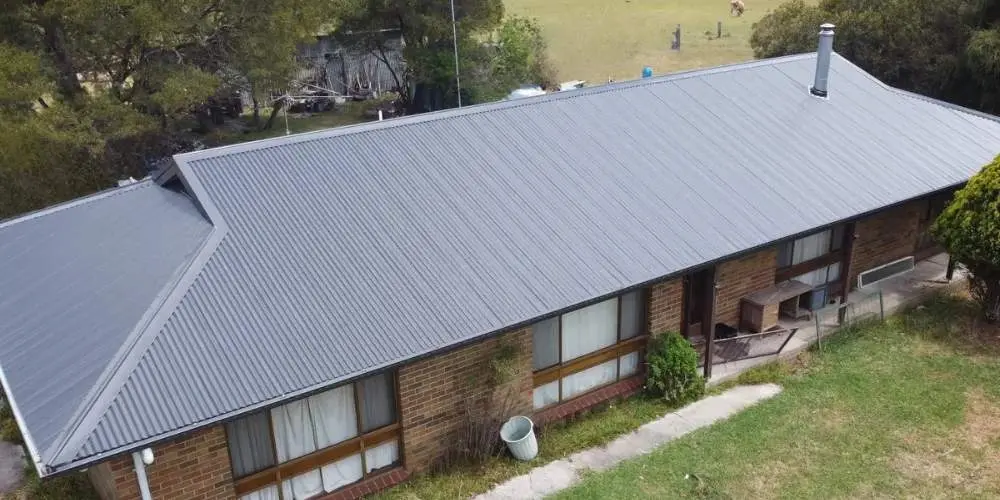
From Existing Defects to a Complete Renewal Scope
Repair, Partial Renewal or Full Replacement
A repair remains reasonable when damage is confined, surrounding materials retain useful life and the water path can be corrected without disturbing sound areas. Partial renewal may suit a distinct extension or roof plane that has aged differently from the main house. Full replacement becomes more persuasive when faults are widespread, repeated or tied to multiple ageing components.
We compare these paths against the observed condition, not roof age alone. The aim is to avoid both extremes: replacing a serviceable roof prematurely or spending repeatedly on isolated patches while the broader system continues to decline. A clear scope lets you compare disruption, integration and likely future maintenance before deciding.
Building the Replacement Scope
The scope starts with roof shape, pitch, existing covering and the junctions where water changes direction. Valleys, ridges, penetrations, wall flashings, gutters and downpipes are reviewed because new roofing must discharge water into compatible details. We also consider whether retained fascia, drainage or adjacent roof sections can connect properly to the proposed work.
Roofing options can include steel roofing, tile-related renewal or a planned conversion, depending on the property and findings. Insulation and roof plumbing may form part of the discussion where relevant. Profiles, finishes, flashings and fixings must work together; selecting a covering without resolving those interfaces leaves important decisions unanswered.
Removal, Inspection and Installation
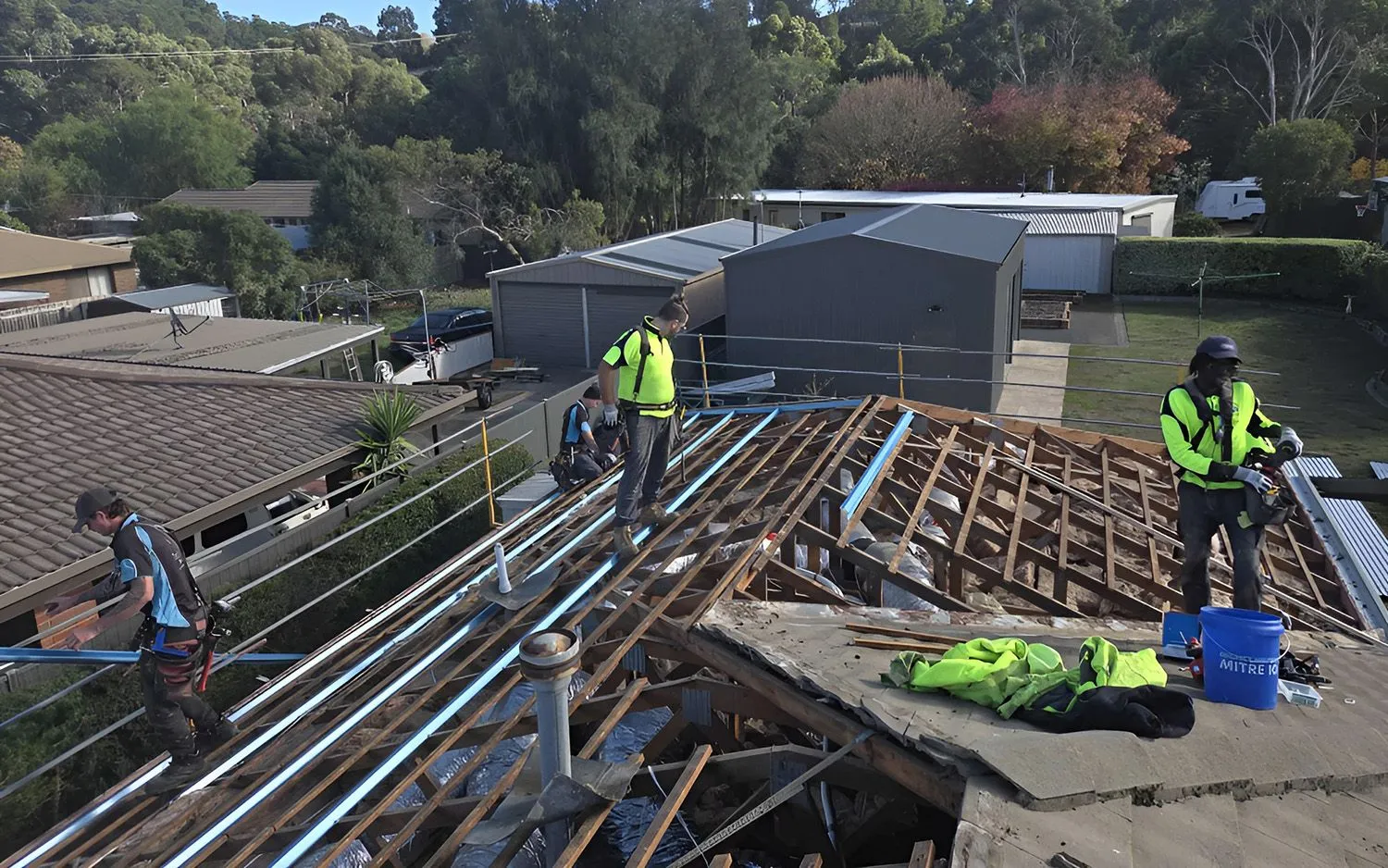
Before work, we confirm access, material placement and areas that need protection. The old covering and included components are removed in a controlled sequence so the exposed roof can be assessed. Conditions hidden beneath roofing cannot always be confirmed beforehand; if additional deterioration becomes visible, it should be explained before the agreed scope changes.
Installation then proceeds through the specified supports, insulation where included, roof covering, flashings, ridges and drainage interfaces. Correct falls, laps, fixing patterns and water direction matter as much as the visible finish. The work area is cleared as the project progresses, and the completed scope is discussed with the owner.
Preparing the Home and Comparing Trade-offs
Owners can help by clearing driveway access, relocating vehicles and identifying pets, locked gates, fragile landscaping or restricted areas. Replacement work involves deliveries, removal of old materials and periods of construction noise. The sequence and weather considerations should be discussed beforehand so household arrangements are realistic rather than based on an assumed completion time.
Choices may involve appearance, roof weight, compatibility with existing additions, insulation opportunities and the extent of associated plumbing work. An exact visual match to older retained materials is not always possible. The priority is a coherent, weather-managing system with neat transitions, while making the practical consequences of each option clear before work begins.
Start with a Whole-Roof Inspection
If leaks and repairs are accumulating, arrange an inspection to understand whether the problem is isolated or the roof now needs a coordinated replacement scope. We can explain the findings and provide a free quote where offered.
Discuss Your Roof with a Local Roofer
Speak with the South Geelong-based team about your existing roof, recent leak patterns, planned renovations and access concerns. Call 0448 889 294 to discuss service availability across Geelong and surrounding areas.
Roof Replacements Geelong FAQs
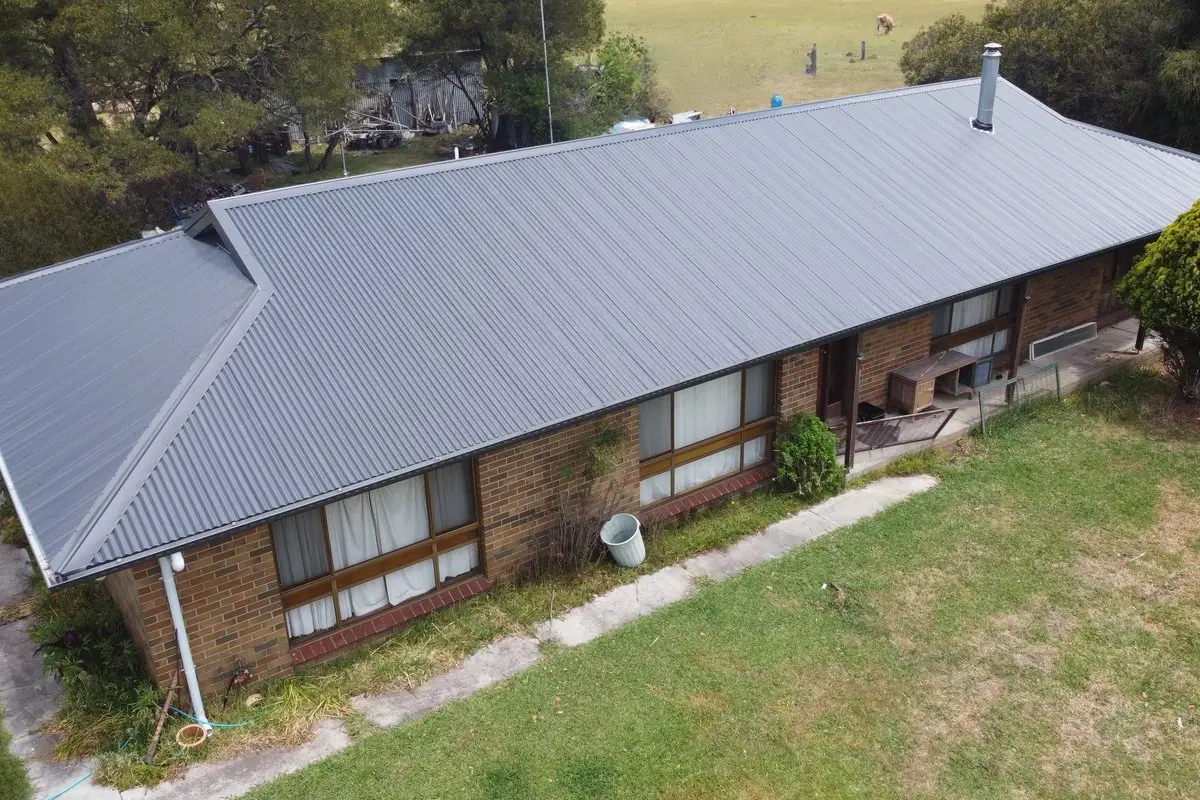
How do I know whether the whole roof needs replacing?
Widespread deterioration, faults across several roof planes and repeated repairs are reasons to investigate replacement. An inspection should assess the covering, junctions, drainage and remaining serviceability. A confined problem may remain repairable, while connected failures can make complete renewal more practical.
Can only one section of the roof be replaced?
Sometimes. A separate extension or deteriorated roof plane may suit partial renewal if the transition to retained roofing can be detailed effectively. The decision depends on compatibility, water flow and adjoining components, not simply the visible boundary between old and new.
What happens if damage is found beneath the old roof?
Removal can reveal concealed conditions. The finding should be shown and explained before additional work changes the scope. The response depends on where damage is, how it affects support or weather management and which trade is appropriate beyond roofing.
Will gutters and flashings be considered in the quote?
They should be assessed because new roofing must connect to working drainage and junctions. Retention or replacement depends on condition and compatibility. The quote should identify included roof plumbing rather than assuming every gutter, downpipe or fascia section is covered.
How should I prepare for roof replacement work?
Keep access clear, move vehicles from delivery and work zones, and identify pets, gates or delicate landscaping. Expect noise and material movement. The sequence depends on roof size, access, weather and conditions discovered after the covering is lifted.